
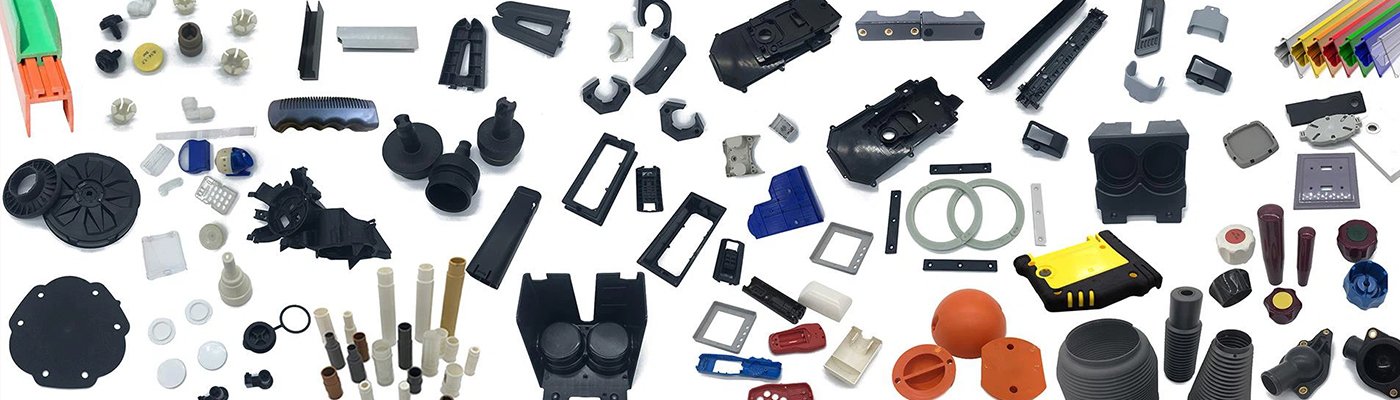
Automotive Components: Powering the Future of Mobility
The automotive industry relies on a wide range of components that work together to ensure safety, performance, and efficiency. From the engine to the smallest electrical connector, every part plays a vital role in the functioning of vehicles.
Key Categories of Automotive Components
Engine & Transmission
Electrical & Electronics
Chassis & Suspension
Braking Systems
Body & Interior
Lighting & Safety
Why Quality Matters
- Safety: Certified parts reduce failure risk and protect occupants.
- Durability: Superior materials extend service life and lower downtime.
- Performance: Precision components deliver better fuel efficiency and response.
- Compliance: Meets emissions and safety regulations for roadworthiness.
Future Trends
- Electrification: Growing demand for EV batteries, motors, and power electronics.
- Autonomy & Connectivity: Sensors, LIDAR, radar, and smarter ECUs for ADAS and self-driving tech.
- Lightweight Materials: Composites and high-strength alloys to reduce weight and emissions.
- Sustainable Manufacturing: Recyclable materials and energy-efficient production methods.
Maintenance & Sourcing Tips
- Buy OEM or high-quality aftermarket parts from trusted vendors.
- Keep service records and follow manufacturer service intervals.
- Inspect wear items (brakes, belts, tires) regularly and replace proactively.
- For EVs, follow battery-care guidelines to maximize lifespan and safety.
Conclusion
Automotive components are the building blocks of modern vehicles. As technology advances, components are becoming smarter, lighter, and cleaner — driving the industry toward safer and more sustainable mobility.