
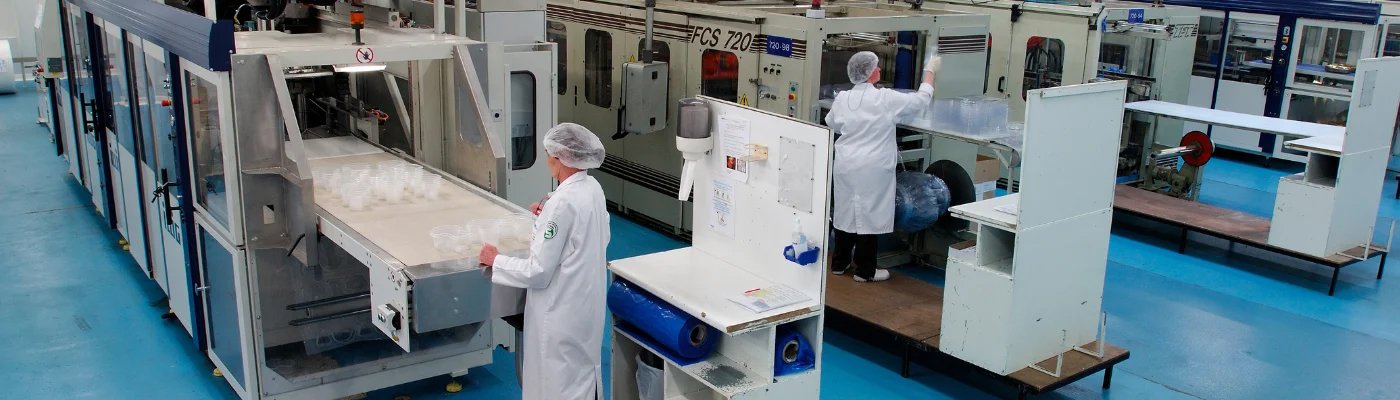
Thermoforming Solutions: Efficient, Flexible & Cost-Effective Plastic Shaping
Thermoforming is a widely used manufacturing process that heats plastic sheets until pliable and then forms them over a mold to create parts with precise shapes and consistent quality. Thermoforming solutions are ideal for producing packaging, automotive components, medical trays, consumer products, and much more — especially when you need fast turnaround and low tooling costs.
Kya hai Thermoforming?
Thermoforming mein plastic sheet ko heat karke vacuum ya pressure se mold par press kiya jata hai. Thanda hone par material apni nayi shape ko retain karta hai. Process simple dikhne ke bawajood, thermoforming bahut versatile aur scalable hai.
Advantages of Thermoforming Solutions
- Low tooling cost — More affordable than injection molding for small-to-medium runs.
- Fast turnaround — Quicker from design to production.
- Large part capability — Suitable for big panels and deep-draw parts.
- Design flexibility — Ribs, bosses, textures, and limited undercuts possible.
- Material choice — PVC, PET, ABS, HIPS, polycarbonate and engineering plastics supported.
- Sustainable options — Recyclable sheets and lightweight designs reduce waste.
Typical Applications
- Packaging — Blister packs, clamshells, trays, and lids.
- Automotive — Interior panels, ducting, and protective covers.
- Medical — Sterile trays, device housings, and diagnostic disposables.
- Consumer goods — Appliance housings, point-of-sale displays, and toy parts.
- Industrial — Enclosures, pallet trays, and machine guards.
Key Considerations When Choosing Thermoforming Solutions
- Part geometry — Consider limits for deep draws and complex undercuts.
- Wall thickness control — Uniform-thickness designs and proper mold engineering improve results.
- Material selection — Check chemical resistance, clarity, flexibility, and temperature range.
- Tooling design — Proper draft angles and vents ensure clean forming.
- Post-processing needs — Factor trimming, printing, welding, or assembly steps.
Tips to Optimize Cost & Quality
- Start with prototype molds (CNC or 3D-printed) for testing.
- Design for manufacturability—avoid sharp corners and extreme depth-to-width ratios.
- Use textured molds to hide minor surface imperfections.
- Choose materials based on the end-use environment (UV, chemicals, heat).
- Plan efficient nesting to reduce sheet waste.
Final Thoughts
Thermoforming solutions provide a strong balance of cost, speed, and flexibility—especially for medium production runs and large-format parts. With the right material choices and tooling strategy, thermoforming can accelerate product development and deliver high-quality parts efficiently.